🔥 20% OFF THIS NOVEMBER · 15+ NIGHTS · CODE: NOVEMBER20


Digital Nomad Guide to the Canary Islands (2026)
The complete digital nomad guide to the Canary Islands — best islands, cost of living, internet, the 90-day rule & visa, and where to stay. By the Bencomo team.
Ana
6/12/20266 min read

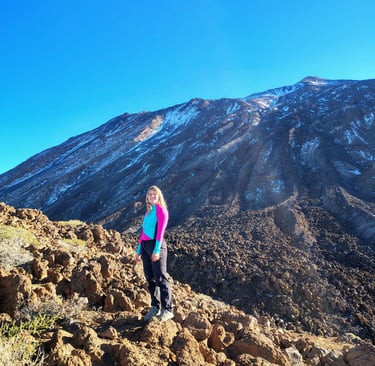
Off the coast of Africa but firmly part of Spain and the EU, the Canary Islands have become one of the world's favourite bases for digital nomads — and it's easy to see why. You get a spring climate every month of the year, fast fibre internet, a friendly time zone, a huge international community and, just outside, some of the most dramatic nature in Europe.
This guide covers everything you need to plan it: the best islands for nomads, the cost of living, internet, the all-important 90-day rule and visa, community, where to stay and how to get around — written by the team at Bencomo Coliving, in the green north of Tenerife.
1. Why the Canary Islands Are a Top Digital Nomad Destination
Eternal-spring climate — 300+ sunny days a year and temperatures that mostly stay between 18–28°C, all year round
A friendly time zone — GMT/WET, the same as the UK and Portugal and one hour from mainland Europe, with workable overlap for the Americas
Fast fibre internet across the islands, connected to the mainland by undersea cables
A large, established community — Las Palmas is one of Europe's biggest nomad hubs, and every main island has its own scene
EU stability with island nature — healthcare, safety and infrastructure of Spain, with beaches, volcanoes and forests minutes away
A lower cost of living than most Western European capitals
Why it matters: the Canaries give you everything a remote career needs — reliability, community, infrastructure — wrapped in a lifestyle that's genuinely good for you.
2. The Best Canary Islands for Digital Nomads
There are eight islands, and they're surprisingly different. Here's how nomads tend to choose:
Gran Canaria — home to Las Palmas, the islands' nomad capital. The biggest community, the most coworking spaces and a city beach (Las Canteras) on your lunch break. The easiest "soft landing" if you want people and events around you from day one.
Tenerife — the largest and most varied island. The north (Santa Úrsula, La Orotava, Puerto de la Cruz, La Laguna) is greener, more authentic and calmer — this is where Bencomo is. The south (Costa Adeje, Los Cristianos, El Médano) is sunnier, surfier and busier. If you want range, Tenerife has it — and our digital nomad guide to Tenerife goes deep on it.
Lanzarote — smaller, design-led and surf-focused, with otherworldly volcanic landscapes. Great for focus and a creative crowd.
Fuerteventura — endless beaches and world-class wind and kite-surf; the most laid-back of the bigger islands.
La Palma, La Gomera & El Hierro — the quiet "deep nomad" islands. Fewer spaces and smaller communities, but spectacular nature and total focus. Best once you already know island life.
3. Cost of Living for Nomads in the Canary Islands
Costs depend heavily on the island, the season and how you live, but many nomads budget roughly €1,200–2,000 a month all in. As a rough breakdown:
Accommodation is the biggest line — a coliving room or shared flat is far cheaper than a private apartment in peak season
Food is affordable if you shop at local markets and eat where locals eat
Coworking typically runs €80–150/month, or is included in a coliving
Transport is cheap — local buses, plus low-cost inter-island flights and ferries
Tip: living like a local (markets, neighbourhood restaurants, the islands' countless free outdoor activities) is what keeps the Canaries genuinely affordable.
4. Internet & Connectivity
This is where the Canaries quietly excel. Myth: "islands have bad internet." Not here — the archipelago is linked to mainland Europe by multiple undersea fibre cables, and fibre is standard across urban areas. Coworking spaces and good colivings offer fast, reliable wifi, often with a backup connection, so video calls and big uploads aren't a problem.
5. Visas & the 90-Day Rule (the Practical Bit)
This is the part most guides gloss over, so here's the plain version:
EU/EEA/Swiss citizens have freedom of movement — you can live and work in the Canaries with just your ID or passport
Non-EU visitors can normally stay 90 days within any 180-day period in the Schengen area on a tourist basis
For longer stays, Spain's digital nomad visa (introduced in 2023) lets eligible remote workers and freelancers live in the country legally, and the Canaries also have a special low-tax economic regime that some long-term residents look into
Rules and thresholds change, so always confirm the current requirements with official Spanish government sources or an immigration adviser before you plan a long stay.
6. Community & Coworking
You won't be working alone. The Canaries have one of Europe's most active remote-work communities, with coworking spaces, meetups, skill-shares and events across the main islands — and Las Palmas in particular runs at near-permanent nomad-hub energy. If you want the full picture of where to set up your desk, see our guide to coworking in the Canary Islands.
7. Where to Stay: Coliving, Coworking & the All-in-One Life
For nomads, the simplest option is a coliving — a private room in a shared home built for remote workers, with a dedicated workspace, fast wifi and a ready-made community, all in one monthly payment. It removes the hardest parts of moving to a new place: no apartment hunt, no utilities, no instant loneliness. Our complete guide to coliving in Tenerife explains how it works and what to look for.
8. Getting Around the Islands
Island-hopping is easy and cheap. Inter-island flights take 30–45 minutes and ferries connect the archipelago for slower, scenic trips. On each island, local buses (guaguas) cover the main routes, though renting a car for a week or two is the best way to reach the viewpoints, beaches and villages that make the Canaries special.
9. Best Time to Go
Honestly? Any time. The climate is kind all year. Winter (Nov–Mar) is peak nomad season — the community is biggest but accommodation is busier and pricier. Late spring and autumn are the sweet spot: warm, quieter and better value.
Is the Canary Islands Nomad Life for You?
It's a great fit if you:
✅ Want reliable internet and a real community of remote workers
✅ Value a healthy, outdoor lifestyle alongside your work
✅ Like the security of an EU destination with island character
✅ Are planning a stay of a few weeks or several months
✅ Want a lower cost of living than most of Western Europe
Conclusion
From the buzz of Las Palmas to the calm green north of Tenerife, the Canary Islands offer a version of the nomad life for everyone — reliable enough for a serious career, beautiful enough that you'll want to stay longer than you planned. Pick your island, sort your paperwork, and the rest tends to fall into place.
Frequently Asked Questions
Which Canary Island is best for digital nomads? Gran Canaria (Las Palmas) has the biggest community and the most coworking; Tenerife offers the most variety; Lanzarote and Fuerteventura suit a quieter, surf-led pace. If you want nature plus a strong community and a calm base, the north of Tenerife — where Bencomo is — is a wonderful choice.
What is the 90-day rule in the Canary Islands? Non-EU visitors can generally stay up to 90 days within any 180-day period in the Schengen area on a tourist basis. EU citizens have freedom of movement. For longer stays, look into Spain's digital nomad visa — and always check the current official rules before you travel.
Are digital nomads welcome in the Canary Islands? Yes — the islands have a large, long-established remote-work community. As with anywhere, the warmest welcome goes to nomads who stay a while, support local businesses, learn a little Spanish and treat the islands as a home rather than a backdrop. That respectful, longer-stay approach is exactly what coliving encourages.
How much does it cost to live in the Canary Islands as a nomad? Many nomads budget roughly €1,200–2,000 a month all in, depending on the island, season and lifestyle. Accommodation is the biggest variable, and coliving or sharing keeps it down.
What is the most remote Canary Island? El Hierro is the smallest and most remote of the main islands — wonderfully quiet and nature-rich, but with a very small community and fewer services, so it suits experienced nomads looking for deep focus.
Tenerife or Gran Canaria for digital nomads? Gran Canaria's Las Palmas is the bigger, more city-based hub; Tenerife offers more landscape variety and a strong community of its own. Here's why Tenerife is one of Europe's best remote-work bases if you're weighing it up.
Thinking of Basing Yourself in Tenerife?
At Bencomo Coliving in Santa Úrsula, you get a private room, a dedicated workspace with fast wifi and a friendly community — a calm, well-run base in the green north of Tenerife to live the Canary Islands nomad life.
Get in touch
colivingbencomo@gmail.com
+34 679 51 39 52
© 2025. All rights reserved.