Las estancias de menos de un mes no son posibles sin un contrato de trabajo o prueba de actividad profesional.



Coliving and Sustainable Tourism in Tenerife
Discover why coliving is the best option for sustainable and regenerative tourism in Tenerife. Learn how spaces like Bencomo Coliving support the local economy.
Jonatan Ortega (EcoIsleta) & Bencomo Coliving
12/16/20255 min leer
For several years now, coliving has become an important option for sustainable tourism in Tenerife.
The island has an extraordinary ecosystem of coliving spaces that are betting on a type of tourism more in line with the situation the archipelago is experiencing.
This post aims to help you understand why you should consider a coliving option if you are interested in traveling more consciously.
It may also be useful for anyone seeking an authentic and sustainable local experience.
Since the concept of coliving is still relatively unknown, we want to explain it so it’s easier for you to understand what we want to share with you.
What is Coliving?
A coliving is a flexible, shared accommodation focused on developing healthy relationships among members of the community.
What matters in a coliving is the community that is being built. Collaborations, shared experiences, friendships, this is what sets a coliving space in Tenerife apart from other types of accommodation.
Coliving spaces are extremely sustainable, as energy consumption is significantly reduced due to shared common areas, kitchens, and bathrooms.
For this reason, a coliving provides a sustainable tourism experience in Tenerife.
Canary Islands Have a Limit
The Canary Islands receive around 17 million tourists per year. Tourism is the main economic activity and has become the livelihood of many families.
In recent years, mass tourism has generated growing discontent among the local population.
This is due to the destruction of countless natural spaces, as well as the complex economic and social situations we are currently facing.
One of the concerns raised by some sectors is that wealth is not being distributed equitably.
Sustainable and Regenerative Tourism
In response to this issue, many voices in the archipelago are advocating for a new type of tourism.
The goal is to restore ecosystems while generating a positive impact on the local economy.
Building this new model is not easy, which is why at the forefront you will find a few local businesses, including some colivings like Bencomo Coliving, which are working toward sustainable tourism that creates a positive impact on the island.
Why Is a Coliving Your Most Sustainable Option?
A coliving is considered the perfect option for sustainable tourism in Tenerife for many different reasons.
Common areas are shared, increasing savings and reducing energy consumption per person during your stay on the island.
Shared meals, dinners, and breakfasts. Many colivings prepare community meals, reducing food waste and saving energy by cooking together.
Lower energy consumption: due to shared use of a single home, the energy expenditure per person is much lower than in other types of accommodation.
Shared transportation when exploring the island. Thanks to the community-focused philosophy, groups of colivers often share transport to explore Tenerife.
Collaborative communities: colivings in Tenerife generate dynamics and activities that foster collaboration among members, creating important synergies between locals, travelers, and digital nomads.
Reuse of existing housing: the vast majority, if not all, colivings in Tenerife reuse existing homes instead of building new structures.
Revitalization of towns and neighborhoods: these communities settle in places where collaborative spaces are needed to reactivate the local community.
Local consumption: coliving members are usually very interested in local culture, so they spend more in local shops and small restaurants. This is a significant boost for the local economy.
As you can see, a coliving is probably the best option for sustainable tourism in Tenerife, which is why so many travelers and remote workers are choosing this type of accommodation.
How Does Coliving Support the Local Economy?
This is perhaps one of the most important topics we need to address in this post.
Regenerative tourism does not seek to exploit resources or the local population.
The goal of a sustainable coliving is to operate from reciprocity, giving back as much as it takes from the community and territory where it is located.
Unlike a hotel, whose business model focuses on keeping the customer inside its facilities by offering absolutely everything they need.
A Coliving promotes a very different offering: consuming locally, going out for dinner, enjoying, and learning about the local culture.
This generates a better redistribution of wealth at the local level.
Many colivings have agreements with local businesses, from language schools to small shops and restaurants, offering discounts to coliving community members.
One of the major advantages of these communities in coliving focused on sustainable tourism in Tenerife is the cultural and knowledge exchange between remote workers and the local population.
We could talk a lot about this: from coworking spaces open to locals, to talks and workshops to support local entrepreneurs, etc.
Sometimes, some of these travelers and digital nomads become so delighted with the town or neighborhood where the coliving is located that they decide to move there, helping mitigate depopulation in these areas.
Collaborations at Bencomo Coliving
At Bencomo Coliving, we are working to create an ecosystem of small local businesses with whom we collaborate.
These partnerships help promote local consumption among our members and also provide significant benefits to these small businesses.
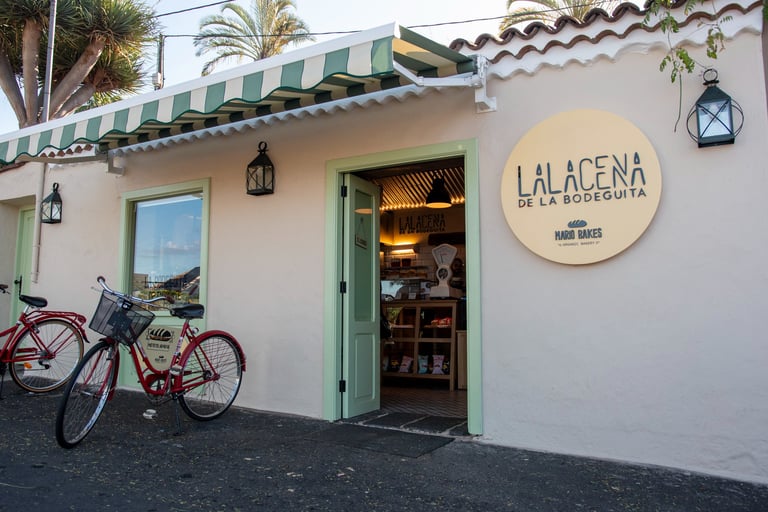
We are currently collaborating with Mario Bakes, an ecological bakery with some of the best bread in Tenerife.
Casa Verde, a local and organic shop-herbalist with a café.
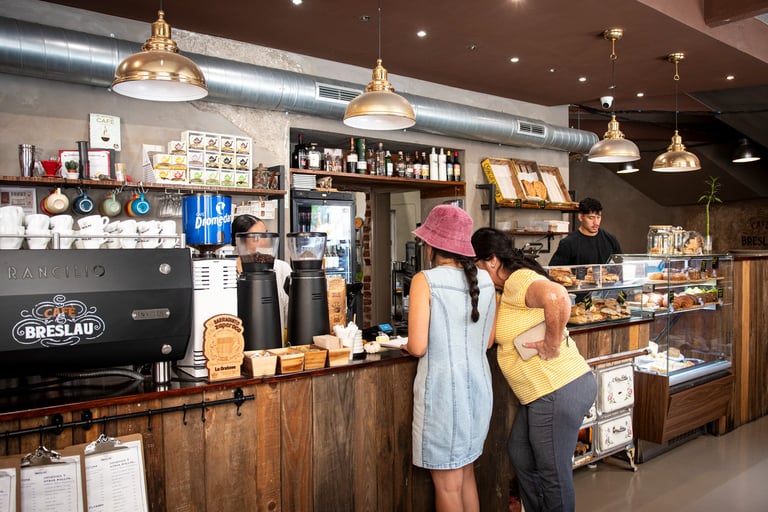
Bar Breslau in La Orotava, known for having one of the best coffees in the area.
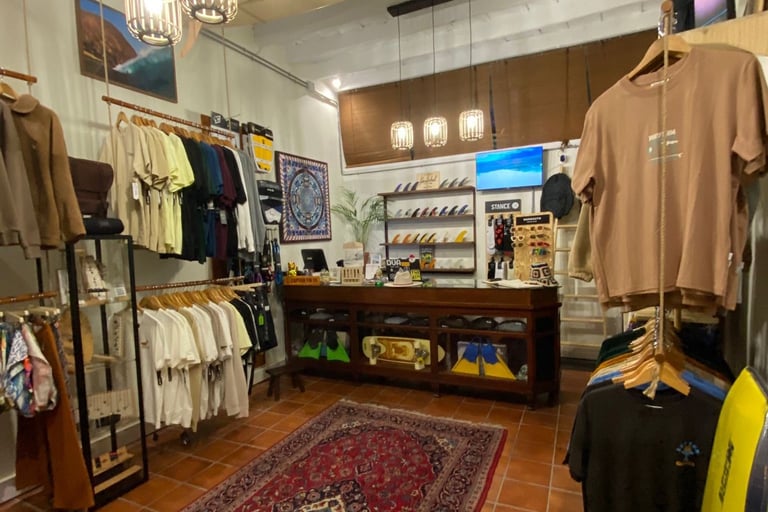
And Duashop, a surf shop that also offers surf and bodyboard lessons.
Coliving and Local Culture
Coliving and sustainable tourism in Tenerife go hand in hand, partly because they attract conscious travelers who avoid heavily touristic areas.
Most remote workers look for authentic experiences, places where they can genuinely connect with local culture and traditions. This kind of immersion is only possible when your accommodation shares and lives by those same values.
Colivings aim to create that connection. They integrate with the surrounding community and offer travelers meaningful opportunities to experience real local life.
Many colivings are run by locals who grew up in the very neighborhoods where these spaces now stand. Their roots make them the ideal bridge for guests to truly understand and enjoy the community’s way of life.
A key mission of these colivings is also to celebrate and preserve local culture, sharing traditions that are essential to understanding the identity of the place.
All of this is achieved through various activities, like hiking or visits to authentic local businesses, where you mostly meet local people.
Some Tips to Make Your Trip More Sustainable
Whenever possible, try to travel and move around using public transport. The Canary Islands have good bus services.
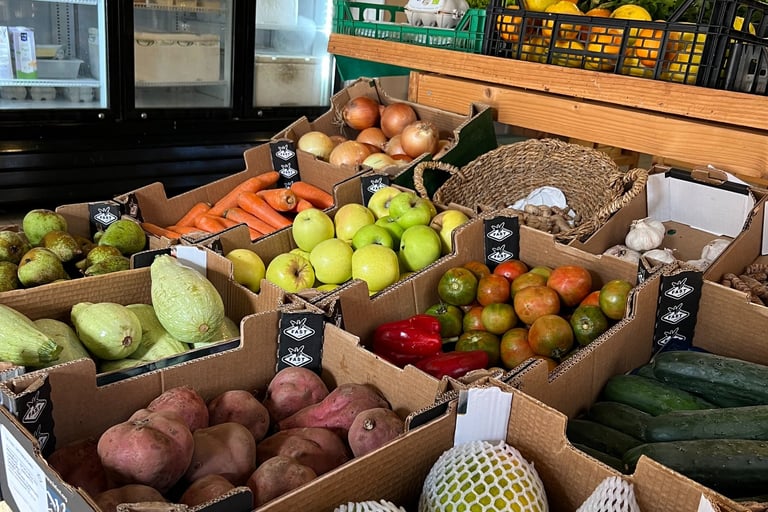
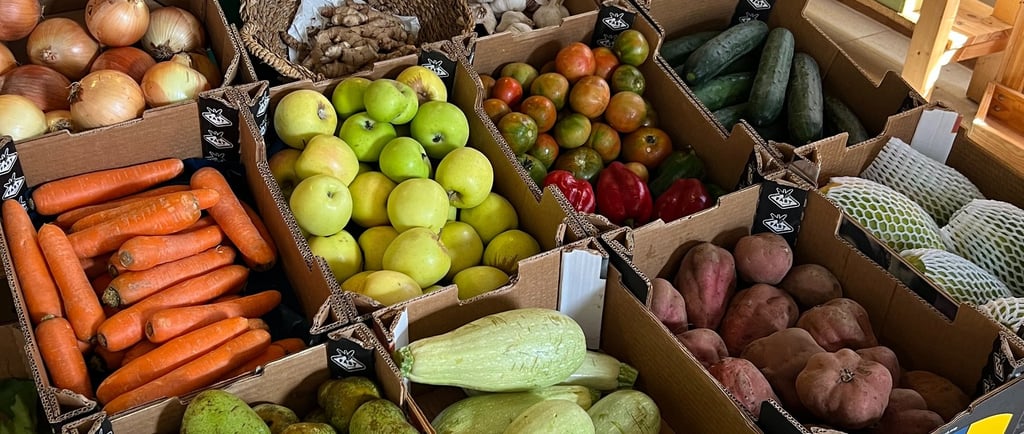
Choosing local and Km0 products contributes significantly to the local economy and reduces your carbon footprint during your trip. Shop at local markets and small businesses.
Remember to leave the beaches and places you visit cleaner than you found them.
Conclusions coliving and sustainable tourism in Tenerife
Coliving is a form of shared accommodation centered around community, helping Tenerife move toward a more sustainable future.
By staying in a coliving space in Tenerife, it becomes easy to immerse yourself in local life and truly experience the island’s identity.
Bencomo Coliving offers you the opportunity to enjoy an authentic, sustainable, and community-driven experience in Tenerife.
Guest Writer
This post is born from the shared values between EcoIsleta Coliving and Bencomo Coliving. Both of us work toward a sustainable and circular economy in the Canary Islands. From this relationship, and as a contribution, Jonatan Ortega has written this post to support the Bencomo Coliving family in their beginnings.